Case study
Resume Insite
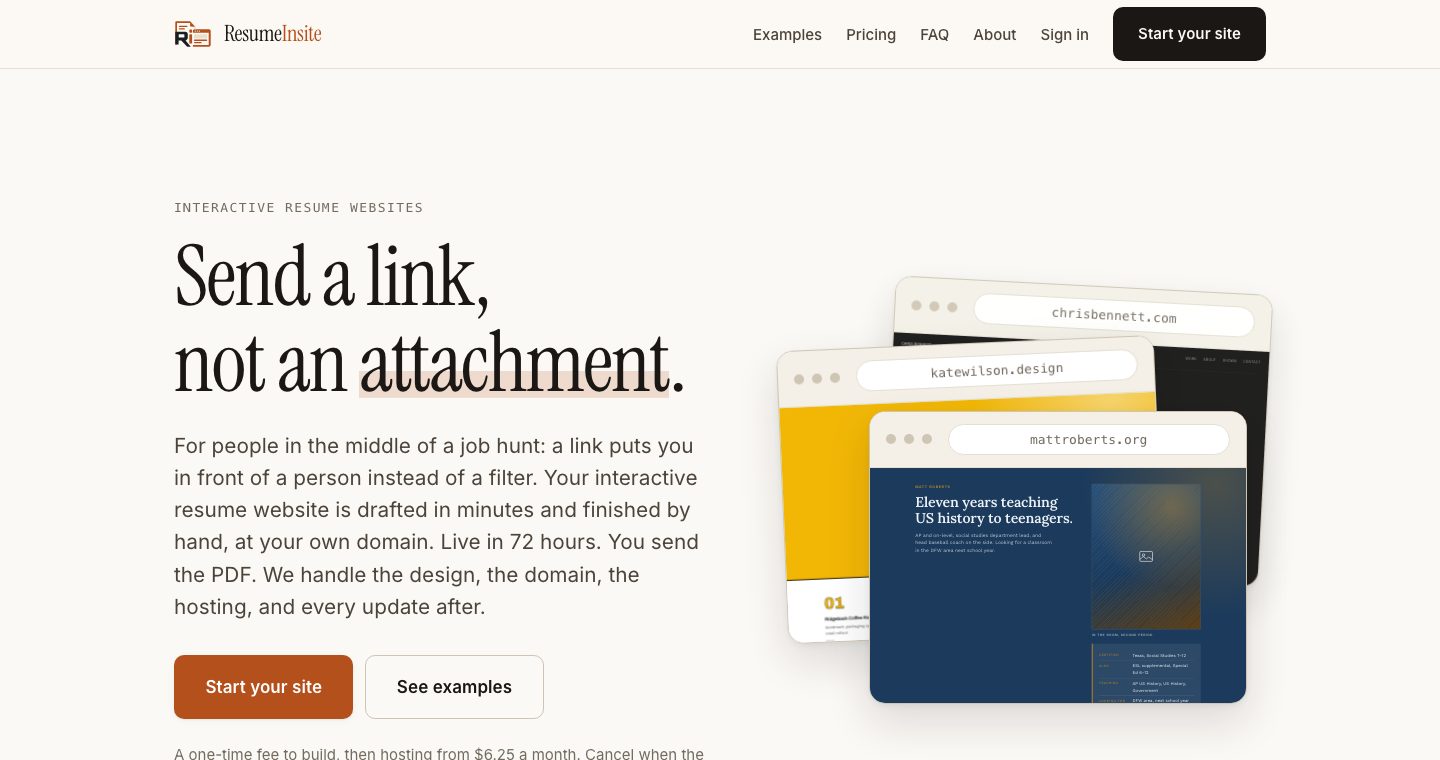
I started Resume Insite in 2026 to give job seekers something better to send than a PDF: a website of their own. I built it with AI as my engineering team. I wrote the requirements, made the product and pricing calls, and checked every release.
- My role
- Founder, product, operations
- Built with
- Claude, Stripe, Cloudflare
- The rule
- AI drafts, a person decides
- Live at
- resumeinsite.com
The problem
A PDF looks like every other PDF.
Job seekers send the same file through the same portals and get filtered by the same software. A link to a site of their own puts them in front of a person. Most people can't build one, and the ones who can don't have the time in the middle of a job hunt.
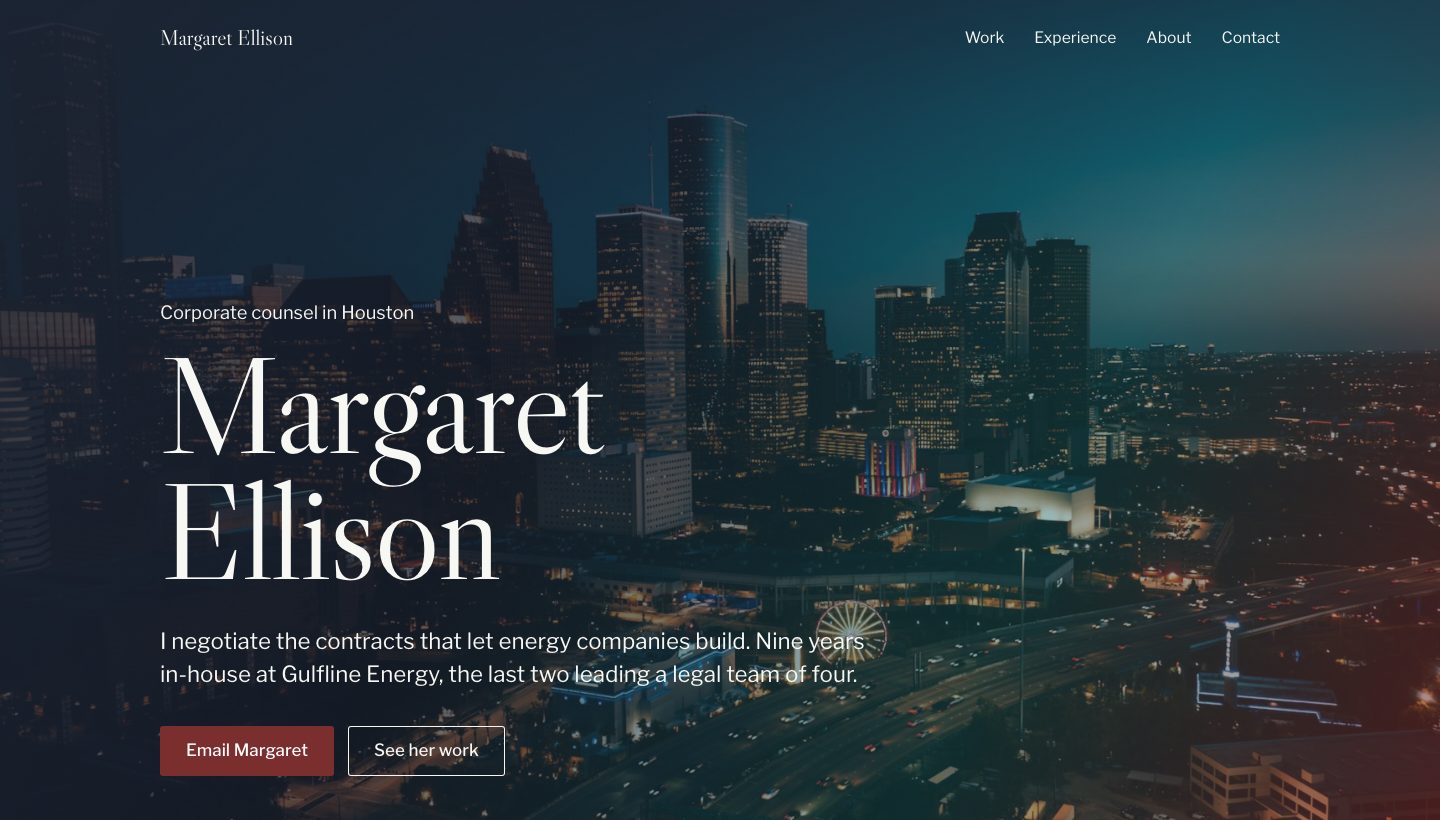
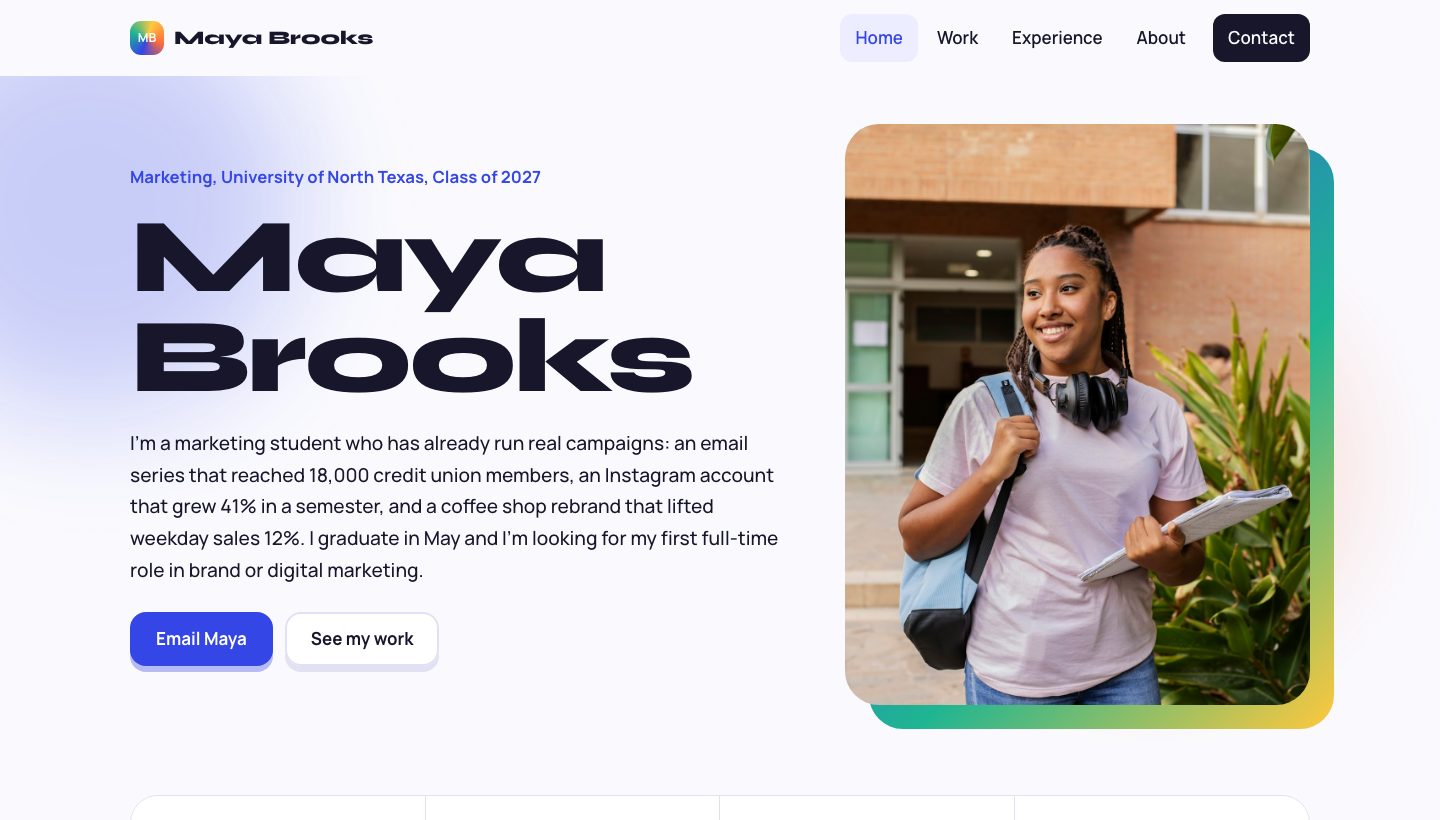
So the product had to be fast for the customer and cheap enough to run that the price stays low: drafted in minutes, finished by hand, live in days.
The process
Every order moves through the same loop.
I mapped the whole business as a process before anything was built: what an order needs, when a customer is charged, what the AI is allowed to touch and where a person always steps in.
- The order form takes the resume, the domain and the plan, and checks the domain is available as the customer types.
- Payment goes through Stripe, and hosting renews on its own with a notice before each renewal.
- Nothing reaches a customer until a person has read it.
- OrderResume, domain and plan in. Card charged once.
- AI draftClaude writes the full site from the resume, in the chosen design.
- Human reviewI read every page, fix it and finish it.
- LivePublished to the customer's domain on Cloudflare.
- Change requestThe customer asks for an edit in plain words.
- Apply allOnce a day, AI applies every request and shows me each change.
↺ Back to human review, then live again.
The guardrails
AI is fast. The guardrails keep it safe and affordable.
Handing work to AI only pays if it can't run away with the budget or put something wrong in front of a customer. I set the limits first.
- Every AI call is logged with what it cost, by customer and by day.
- A daily cap and a monthly cap per customer, with an alert the moment either is hit.
- Change requests that are unclear or unsafe are set aside with the reason, not guessed at.
- Customer sites run behind a strict security policy, so nothing can be slipped into a page.
Spending caps
An illustration of the caps. The real limits and the spend behind them live on a private admin page.
Getting it in front of people
Outreach run like a sales pipeline.
I took what I know from sales and ran the launch as a pipeline: a target list, a first email, scheduled follow-ups and a clean way out for anyone who doesn't want to hear from me.
- Emailed more than a hundred university career centers and workforce organizations.
- Follow-ups go out on a schedule and skip anyone who has already replied.
- Every email carries an unsubscribe link, and opt-outs are honored automatically.
The outreach pipeline
List
Career centers and workforce groups.
Email
One clear first message.
Follow up
Scheduled, skips replies.
Reply
Tracked and answered.
Partner
Referrals to job seekers.
What it says about me
What I'd bring to your team.
- I map a process before I touch it, then build the system around it.
- I know where AI saves real hours and where a person has to stay in the loop.
- I set the guardrails on cost and risk before the work starts, not after.
- I run every piece myself: product, pricing, operations, sales and support.